













Summer heat can leave your skin looking dull, dehydrated, uneven, or textured. October is an ideal month to reset your skin, address post-summer skin concerns, and start preparing for the upcoming holiday season.
At Prejuve MedSpa & Wellness in Cary, NC, give your skin a fresh start with the October Skin Reset special offer.
Fall in Love With Your Skin
This October, repair summer and rebuild collagen. Get holiday-ready.
Just for $499, choose the treatment that works best for you:
- SkinPen Microneedling + Regenerative Booster
OR
- Deluxe HydraFacial + Customized Chemical Peel + LED
Also, receive a complimentary VISIA skin analysis.
Why Does Your Skin Need a Reset After Summer?
Sun exposure, heat, humidity, sweating, and outdoor activities can cause several skin concerns and leave your complexion looking different by the time fall arrives.
Common concerns that you may notice:
- Uneven skin tone
- Hyperpigmentation
- Dehydrated and dull skin
- Fine lines
- Visible pores
Sometimes, home skincare routines also don’t work. In those cases, professional help can give a more targeted approach to deal with specific skin concerns.
Fall can be an excellent time to evaluate your skin condition and determine a personalized treatment plan with the help of a professional.
What is a Skin Reset?
Skin reset treatment aims to repair damaged skin, clear congestion, and help you recover from summer sun damage. The type of skin reset treatment can depend on your skin type, concerns, and personal goals.
The October Skin Reset offers two treatment plans, where you can choose the option that works well for your skin.
Option 1: SkinPen Microneedling + Regenerative Booster
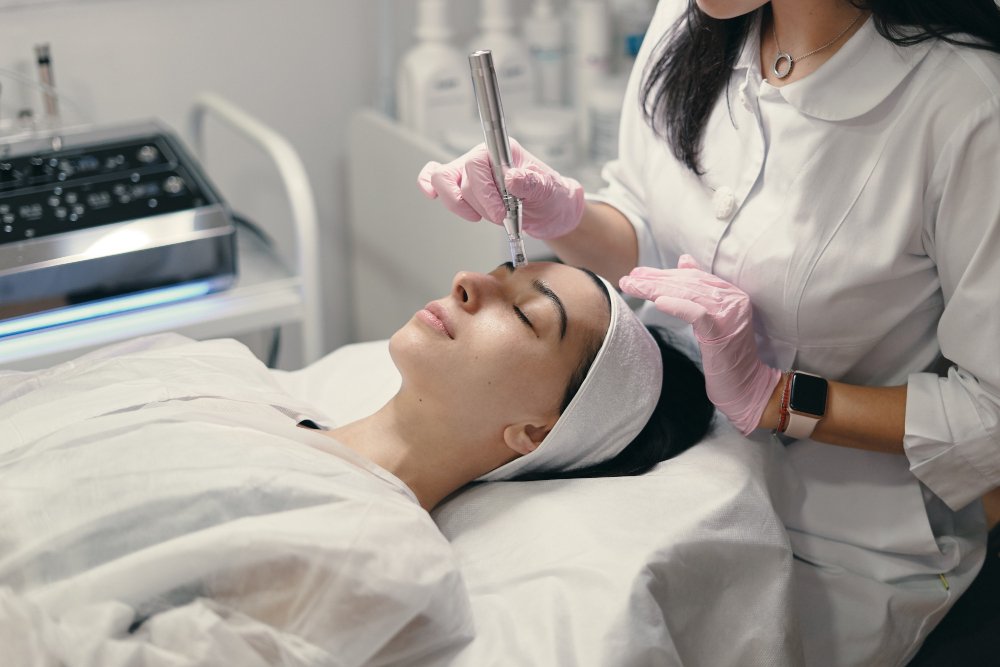
SkinPen is a medical-grade microneedling device that creates thousands of microscopic punctures. This activates an immune response that views these tiny punctures as wounds and works to heal and disinfect the tissue by triggering a massive surge of collagen.
This can be used to address concerns such as:
- Breaks down deep acne scars and replaces them with healthy skin tissues
- Softens fine lines and neck wrinkles
- Minimising large pores
- Fades uneven summer tan
This procedure is considered safe for all types of skin tones as it relies entirely on the mechanical healing response instead of heat or lasers, but consulting a professional is still recommended to avoid any potential side effects.
A regenerative booster can also be incorporated with your provider’s recommendation when appropriate.
Option 2: Deluxe HydraFacial + Customized Chemical Peel + LED
If your skin is feeling dull, congested, and dehydrated, a combination treatment can work for you to get rid of these concerns.
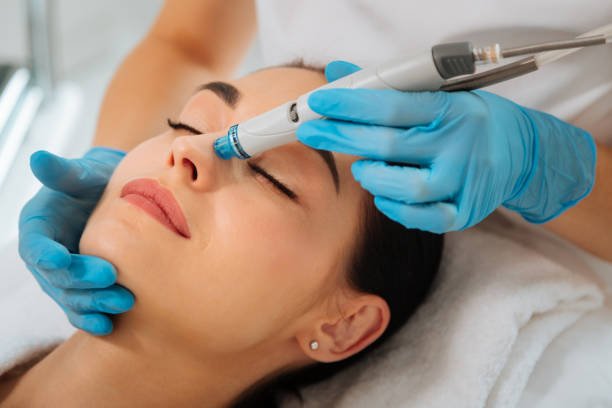
A HydraFacial is a multi-step facial treatment that uses a vortex-fusion suction device to deeply cleanse, exfoliate, and remove impurities while incorporating intense moisturizing serums into your skin.
A customized chemical peel is used to gently exfoliate your skin, removing the dead skin cells to uncover a fresh layer.
LED therapy is used at the end of the session to maximize cellular repair. Red light calms the post-treatment redness and promotes collagen growth, while blue light neutralizes acne-causing bacteria and balances excessive oil production.
Why October Is a Great Time for a Skin Reset
October marks the transition from summer into the cooler months, bringing changes in temperature and environment, creating a perfect time for recovery from summer heat. With the holiday season also approaching, October is an ideal time to give your skin some extra care and prepare for upcoming celebrations.
Instead of waiting until the last minute, October gives an appropriate time frame to evaluate your skin and begin a treatment earlier if needed.
Start With a VISIA Skin Analysis
Understanding your skin condition first helps you choose a plan that suits your skin.
That’s why October Skin Reset includes a complimentary VISIA skin analysis.
VISIA Skin Analysis is a computer-driven facial imaging system that uses multi-spectral photography and AI to measure surface and subsurface skin condition.
This analysis provides additional insight into your skin, and your provider can use this information to create a personalized treatment for your current skin condition.
Rather than choosing the most popular plan, you can actually get a treatment that will address your skin concerns and give you fresh, glowing skin.
Want Better Results From a Series?
If you want to make your skin reset treatment a larger plan. Book 3 skin resets for just $1,299.
This series can provide an opportunity to continue working towards your skin care goals while maintaining a consistent treatment schedule.
Ready for Your Fall Skin Reset?
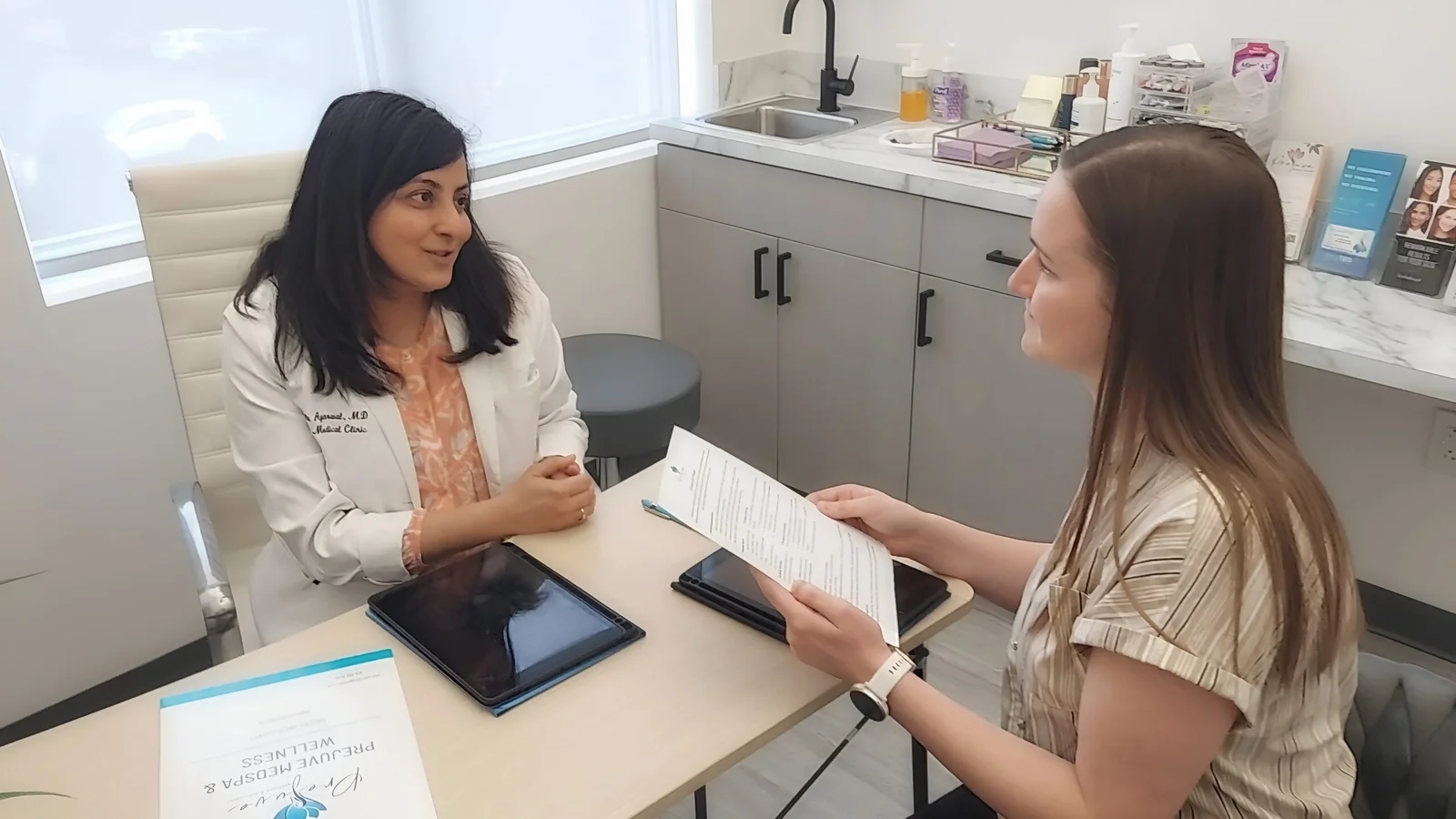
Give your skin a fresh start before this holiday season with our special October offer. Book a consultation with Prejuve MedSpa & Wellness and discuss your skin concerns. We will help you determine the right treatment options that meet your facial needs.
Book your October Skin Reset for $499 and start preparing your skin for the holidays.