Many women think that acne is a problem that they left behind in their teenage years. However, it can be frustrating and confusing when breakouts start appearing again in your 30s or even later.
If you have noticed painful pimples along your jawline, recurring breakouts before your period, or stubborn acne that refuses to respond to your usual skincare products, you’re not alone. Adult hormonal acne is becoming increasingly common among women over 30.
Along with its physical symptoms, it also affects self-confidence, social interactions, and the way you feel about your appearance. Understanding why these breakouts occur is the first step toward finding an effective solution.
What is Adult Hormonal Acne?
Adult hormonal acne is a type of acne that develops or persists into adulthood due to hormonal fluctuations within the body.
Unlike occasional pimples that may appear after a stressful week or poor skincare habits, hormonal acne tends to be persistent and recurring. It often develops in specific areas of the face, particularly around the chin, jawline, and lower cheeks.
Some common signs of adult hormonal acne include:
- Deep and painful pimples under the skin
- Frequent breakouts around the jawline and chin
- Flare-ups that occur around the menstrual cycle
- Persistent redness and inflammation
Hormones play an important role in oil production and inflammation, making these breakouts more difficult to manage than typical teenage acne.
Why Is Hormonal Acne Increasing in Women Over 30?
Multiple factors contribute to hormonal acne later in life. For many women, it is not caused by a single issue but a combination of hormonal, lifestyle, and environmental changes.
a) Natural Hormonal Fluctuations
Hormones naturally change throughout adulthood, and changes in estrogen, progesterone, and androgen levels can cause excess oil production, which ultimately creates an environment where acne is more likely to develop.
b) Perimenopause and Age-Related Changes
Women who are entering their late 30s and 40s may begin to experience perimenopause, which may influence hormone levels. These hormone changes can trigger breakouts in women who have never struggled with acne before.
c) Chronic Stress
Modern life often comes with big responsibilities, such as careers, financial pressures, and caregiving roles, which can add to ongoing stress.
Increased stress levels can cause the body to produce more cortisol, a hormone that may increase oil production and inflammation, contributing to acne breakouts.
d) Poor Sleep Habits
Proper sleep is key to your overall health. Consistent poor sleep can affect your hormone regulation and the body’s natural ability to repair and restore the skin.
e) Diet and Lifestyle Factors
An unhealthy diet and poor lifestyle habits may contribute to inflammation and hormonal imbalances. Lack of exercise, dehydration, and highly processed foods affect your overall skin health.
f) Certain Medications
Some medications may also affect hormone levels or skin function, which can increase the chances of hormonal breakouts.
g) Genetics
For some women, family history also plays an important role. If a close family member has experienced adult acne, you may be more likely to develop similar skin concerns.
What Can Women Do About It?
Although hormonal acne can feel discouraging, there are a few steps that women can take to improve their skin health and reduce the severity of breakouts.
a) Create a Consistent Skincare Routine
Consistency is more important than using multiple products. Gentle cleansing, proper hydration, and appropriate acne-focused skincare can help you to support healthier skin.
b) Manage Stress
Eliminating stress does not feel realistic. However, finding ways to manage it can benefit your overall wellness and skin health. Proper exercise, meditation, hobbies, and adequate downtime can help to reduce stress levels.
c) Prioritize Quality Sleep
Getting enough restful sleep allows your body to regulate hormones more effectively and supports healthy skin repair processes.
d) Avoid Picking or Squeezing Breakouts
Picking or squeezing acne can increase the chances of inflammation and raise the risk of scarring.
e) Seek Professional Evaluation
If your acne becomes persistent or painful, then professional treatment may provide better results than relying solely on skin care products.
How Prejuve MedSpa & Wellness Helps
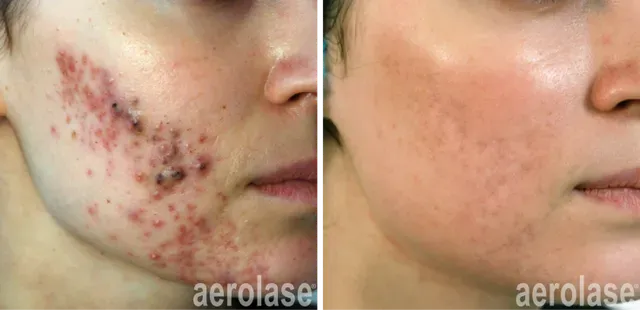
At Prejuve MedSpa & Wellness, our acne treatment goes beyond simply addressing visible blemishes. Our goal is to target the factors contributing to active acne and help you improve your skin’s overall appearance and health. We use advanced Aerolase laser technology, which is NeoClear by Aerolase®, to treat active acne. This technology uses light-based therapy to address several major contributors to acne, such as excess sebum production, inflammation, and acne-causing bacteria.
The major advantage of NeoClear is that it is suitable for all skin types and can be used to treat various forms of acne, including severe and cystic. This is a painless, noninvasive treatment that is designed to be comfortable, effective, and well-tolerated by patients and appropriate for patients of all skin types. Along with managing active breakouts, the treatment stimulates collagen production, which may help to improve your skin texture and reduce the appearance of acne scars over time.
Our treatment plans are personalized based on each patient’s unique skin concerns and goals. This customized approach helps us to ensure that women receive care tailored to their specific needs.
Don’t Ignore Persistent Breakouts
Adult hormonal acne can be frustrating, but understanding the factors that contribute to these breakouts can help you take meaningful steps toward healthier skin.
If you’re struggling with hormonal acne in your 30s or beyond, professional guidance can help you to find reliable solutions for your skin.
Our team at Prejuve MedSpa & Wellness offers personalized acne treatment options that are designed to address active breakouts, improve skin clarity, and support long-term skin health. Schedule a consultation with us to learn more about our acne treatment in Cary. Visit the Observership program.